





 KR
KR JP
JP VN
VN
Amid constant change, Hanoi continues to preserve the values that have shaped its identity for generations. Join Silk Path in discovering how commerce, culture, spirituality, and history remain woven into the fabric of the city, quietly connecting its past with the present.

Every morning, Hanoi awakens to the rhythm of a city in motion. New developments continue to reshape the urban landscape, yet beyond the bustle, the city’s historic quarters still carry stories that have endured for centuries. Behind every familiar street and landmark lies a living heritage that continues to shape the enduring spirit of Thang Long.
DONG XUAN MARKET
A legacy of commerce
Since the early 20th century, Dong Xuan Market has brought together goods from Da Lat, Sa Pa, Saigon and many other regions, establishing itself as one of Hanoi’s foremost commercial centres. Beyond meeting the needs of residents, the market also welcomed merchants and international traders, reinforcing its role as one of the capital’s most important trading hubs. The constant exchange of people, products, and cultures has allowed Dong Xuan Market to remain an essential part of Hanoi’s commercial life for generations.
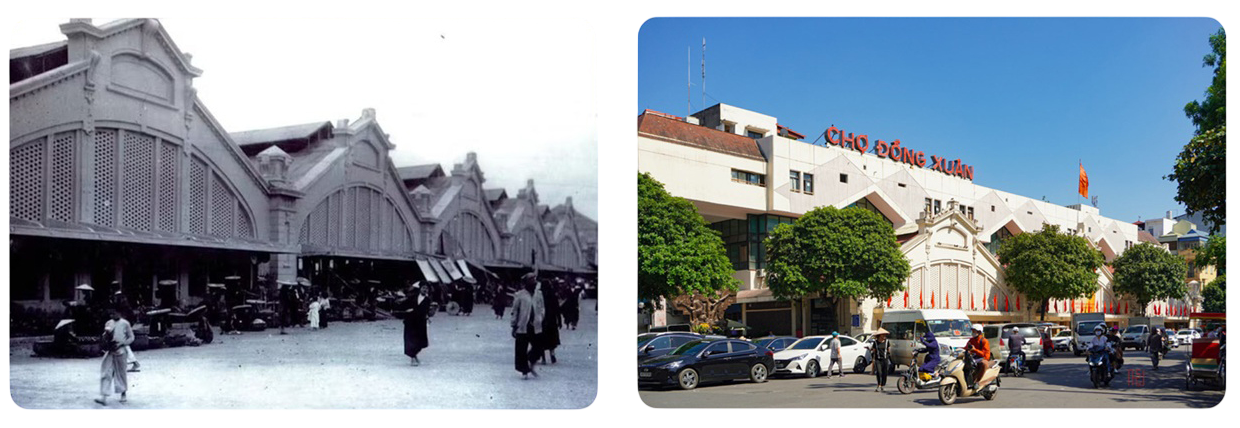
Photos: Duy Ngọc (left) – Wikipedia (right)
Following several renovations, Dong Xuan Market has successfully adapted to Hanoi’s evolving urban landscape while retaining its original character. Today, it continues to operate as one of the city’s principal wholesale markets, while offering visitors an authentic glimpse into local cuisine, traditional commerce, and everyday life in the Old Quarter. Its enduring appeal lies in the seamless balance between an authentic marketplace and a cultural destination.
QUAN THANH TEMPLE
A legacy of spirituality
As one of the Four Sacred Temples (“Thăng Long Tứ Trấn”) of the ancient Thang Long citadel, Quan Thanh Temple has long held a special place in the spiritual life of the capital city. Dedicated to Huyen Thien Tran Vu, the temple has welcomed generations of worshippers seeking peace, protection, and blessings, becoming one of Hanoi’s most enduring cultural and spiritual landmarks.

Photos: Hà Hữu Đức (left) – Quang Huy Law (right)
Today, during Lunar New Year and on the first and fifteenth days of each lunar month, worshippers continue to gather here to offer incense and pray for peace and prosperity. The temple is also home to the nearly four-metre-tall bronze statue of Huyen Thien Tran Vu, the guardian deity of the northern quarter of the ancient Thang Long Citadel. Weighing approximately four tonnes, the statue has been recognised as a National Treasure of Vietnam. First designated a National Historic and Cultural Monument in 1962 and elevated to Special National Monument status in 2024, Quan Thanh Temple continues to safeguard centuries-old spiritual traditions while preserving an important part of Hanoi’s cultural heritage.
OLD EAST GATE (“Ô QUAN CHƯỞNG”)
Echoes of Hanoi’s past
The ancient Thang Long citadel was once protected by a series of city gates, including Cau Den Gate, Cho Dua Gate, Cau Giay Gate, and Yen Phu Gate, each marking the boundaries of the imperial capital. While most disappeared over time and now survive only in street names, Old East Gate remains remarkably intact. Once responsible for regulating the movement of people and goods while serving as part of the city’s defensive system, it stands today as one of the last physical reminders of Hanoi’s historic fortifications.
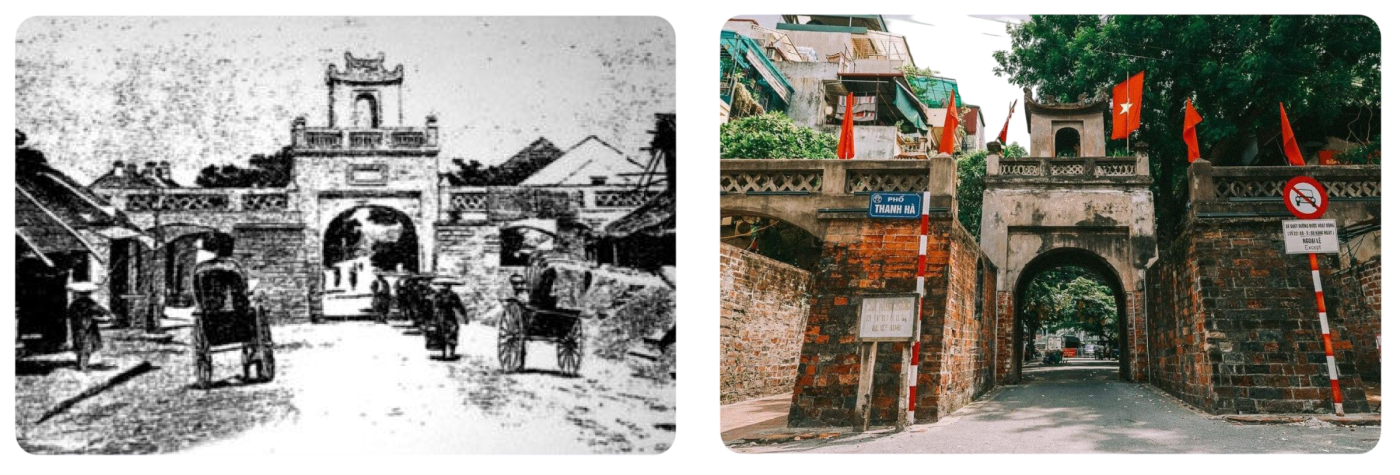
Photos: Dân Trí (left) – Vietnamnet (right)
Although it no longer separates the old citadel from the outside world, Old East Gate continues to connect visitors with Hanoi’s past. Every day, countless people pass beneath its archway, where centuries of history quietly meet the rhythm of contemporary city life.
EXPERIENCE THE SPIRIT OF THANG LONG
Some cities are explored through landmarks. Hanoi is best experienced through the stories that continue to unfold within its streets, architecture, and daily life.
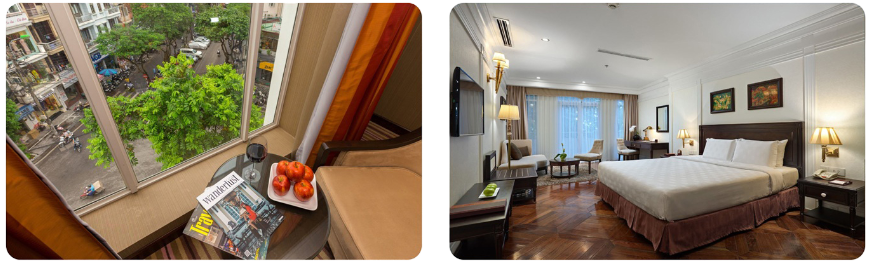
Located in the heart of the Old Quarter, Silk Path Hotel Hanoi (195-199 Hang Bong Street) and Silk Path Boutique Hanoi (21 Hang Khay Street) provide an ideal base for discovering these enduring layers of the capital.
From the vibrant atmosphere of Dong Xuan Market to the peaceful sanctuary of Quan Thanh Temple and the timeless presence of Old East Gate, each destination is only a short walk away. Together, they reveal a side of Hanoi where history is not confined to monuments, but continues to shape everyday life.
Continue your journey with Silk Path and discover more of Vietnam’s cultural treasures, where every destination offers a deeper connection to the heritage, traditions and stories that continue to shape Vietnam today.