





 KR
KR JP
JP VN
VN
Among the countless delicate flavors of Northern Vietnam, bun thang (“bún thang”) quietly stands out – elegant and refined, like a gentle brushstroke on an old Hanoi painting. On a chilly morning, a steaming bowl reveals that some dishes are not just tasted – they carry memories.
A thread of memory woven through generations
If pho (“phở”) wins hearts with its depth, and bun rieu (“bún riêu”) charms with its boldness, bun thang captivates through harmony – each ingredient distinct yet perfectly blended, like Hanoians living side by side. It evokes more than flavor: the quiet clink of bowls, the scent of broth on a winter morning, the silent grace of a tradition quietly handed down through time.
The taste of patience and precision
Making bun thang is a slow, meticulous process – each ingredient handled with care, like delicate embroidery. It reflects the Northern palate: not only flavorful, but refined to the finest detail, living up to the saying, “Eat like the North, dress like the South”.
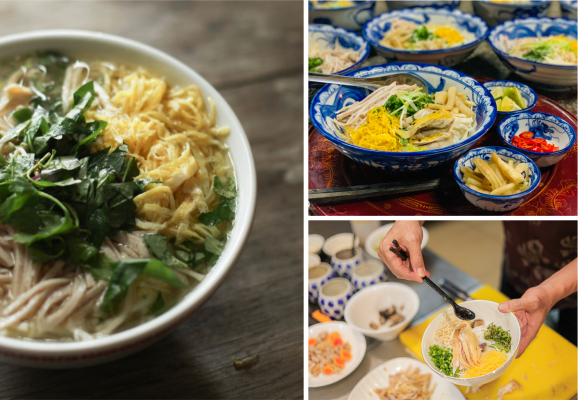
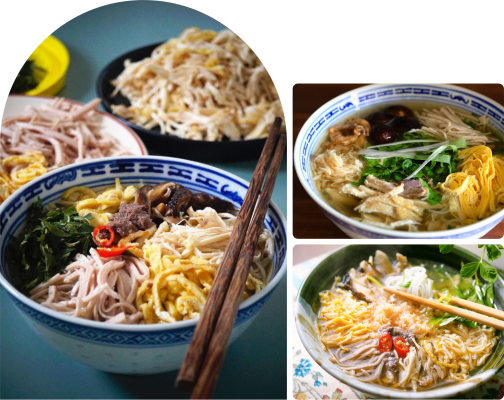
A bowl of bun thang is a harmony of around twenty refined ingredients: golden egg threads like silk, tender shredded chicken, chewy dried radish, and fragrant shiitake mushrooms – each prepared with practiced grace.
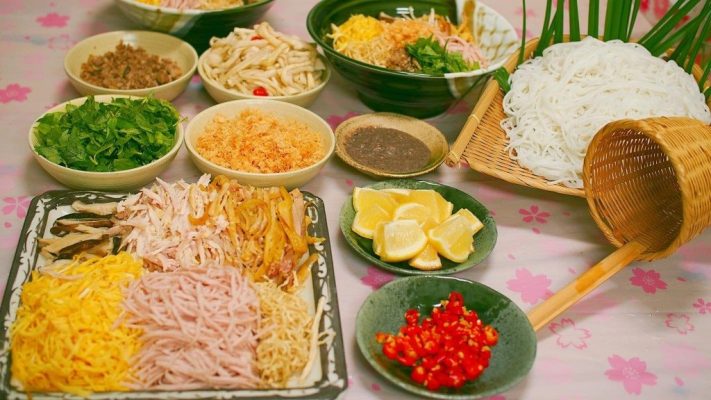
The soul of bun thang lies in its shimmering broth – crystal-clear, gently layered with sweetness from chicken, pork, and dried shrimp.
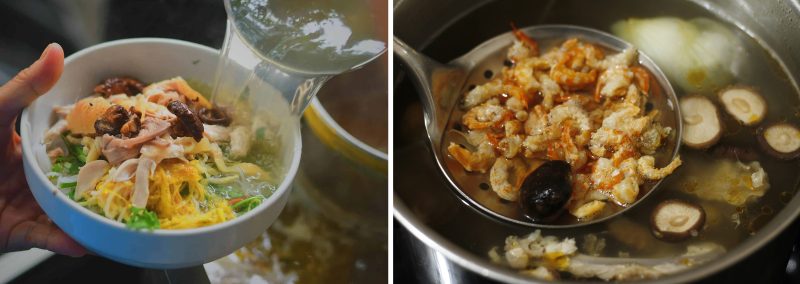
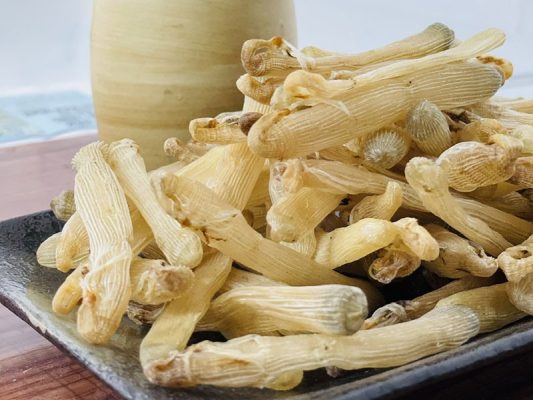
Among them, “sá sùng” – known in English as peanut worm, a rare marine worm harvested from the sandy coasts of northern Vietnam – adds a quiet umami depth without stealing the spotlight.
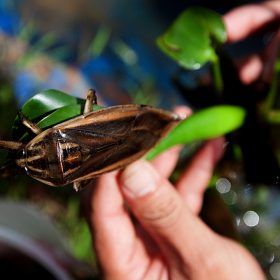
It would be incomplete to speak of Hanoi’s bun thang without mentioning its most delicate essence – extracted from the male water bug (“cà cuống”) – which once graced northern kitchens with quiet regularity. Today, as the insects grow increasingly scarce, even a single drop feels like a whisper of memory: a final breath of the past, woven into the soul of bun thang.
When the bowl is finally set down, its colors – white noodle, green herbs, golden egg threads, and red chili – blend like an autumn silk robe. A quiet elegance, wrapped in steam and memory.
From humble origins to culinary elegance
Bun thang began as a post-Tet creation. Leftover chicken, pork rolls, eggs, dried radish – what remained after resourceful hands reimagined the Lunar New Year feast. But in Hanoi, even leftovers are treated with quiet artistry.
The word “thang” (湯) in classical Chinese simply means broth (“canh”) – a clear, warming base. But bun thang is far more than just noodles in broth. It is a quiet orchestration of colour, texture, and restraint – a dish of meticulous craftsmanship and refined taste.
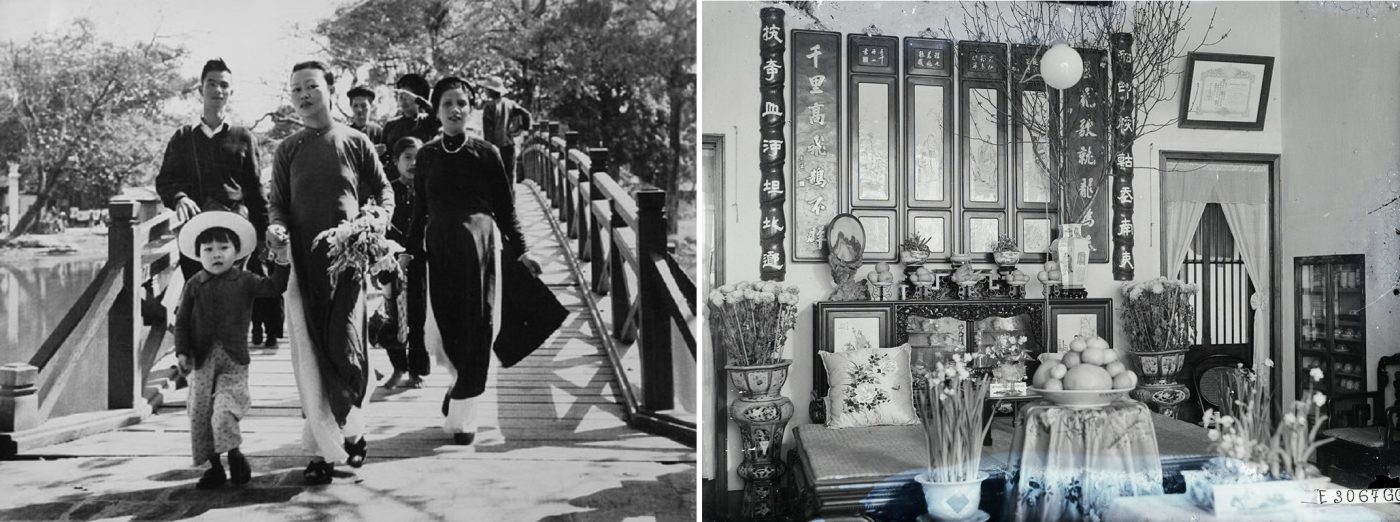
Others suggest that “thang” may also echo a medicinal decoction – the kind of healing brew a traditional herbalist might prepare with utmost care. Seen this way, bun thang becomes more than food: the cook as healer, measuring each element with care, a nourishment of both body and spirit.
Whether understood as broth or as a healing tonic, bun thang speaks to the quiet diligence of the Vietnamese cook, where every detail, no matter how small, is an act of care.
A dish meant to be felt, not rushed
Unlike heartier noodle dishes meant to satisfy hunger, bun thang is served in gentle restraint – modest in portion, refined in presence. But with the first taste comes quiet surprise: what feels familiar – the clear broth, the tender chicken, the soft egg – suddenly reconfigures into something more. A delicate crunch of radish. A trace of Vietnamese coriander’s heat. Each spoonful is best enjoyed hot and slow, quietly nourishing the soul as Hanoi awakens in the soft hush of dawn.
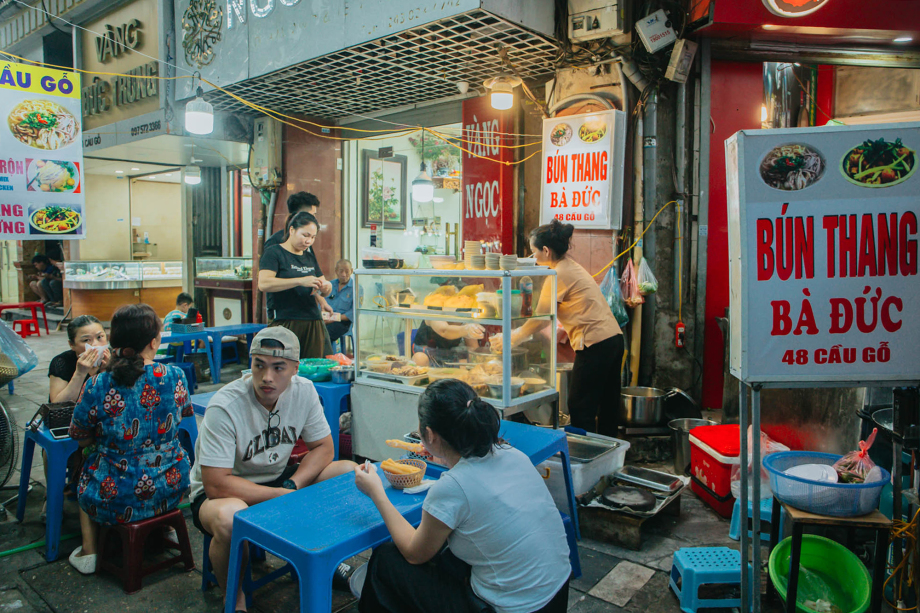
No true connoisseur skips the touch of fermented shrimp paste (“mắm tôm”) – a pairing that seems, at first, to clash with such restraint. And yet, just a dab brings balance, grounding the ethereal broth with a bold, earthy undertone. It’s the unexpected final note, completing the dish not with loudness, but with depth – a quiet defiance that lingers, unforgettable.
Hanoi is more than its famed 36 Old Streets – it is a city that takes quiet pride in its culinary soul. Among countless delicacies, bun thang endures like an old habit gently preserved through care and quiet devotion. One may explore hundreds of new, dazzling flavors, but there always comes a time to return – to sit beside a steaming bowl of bun thang, to remember, to feel, and to let the heart grow still.
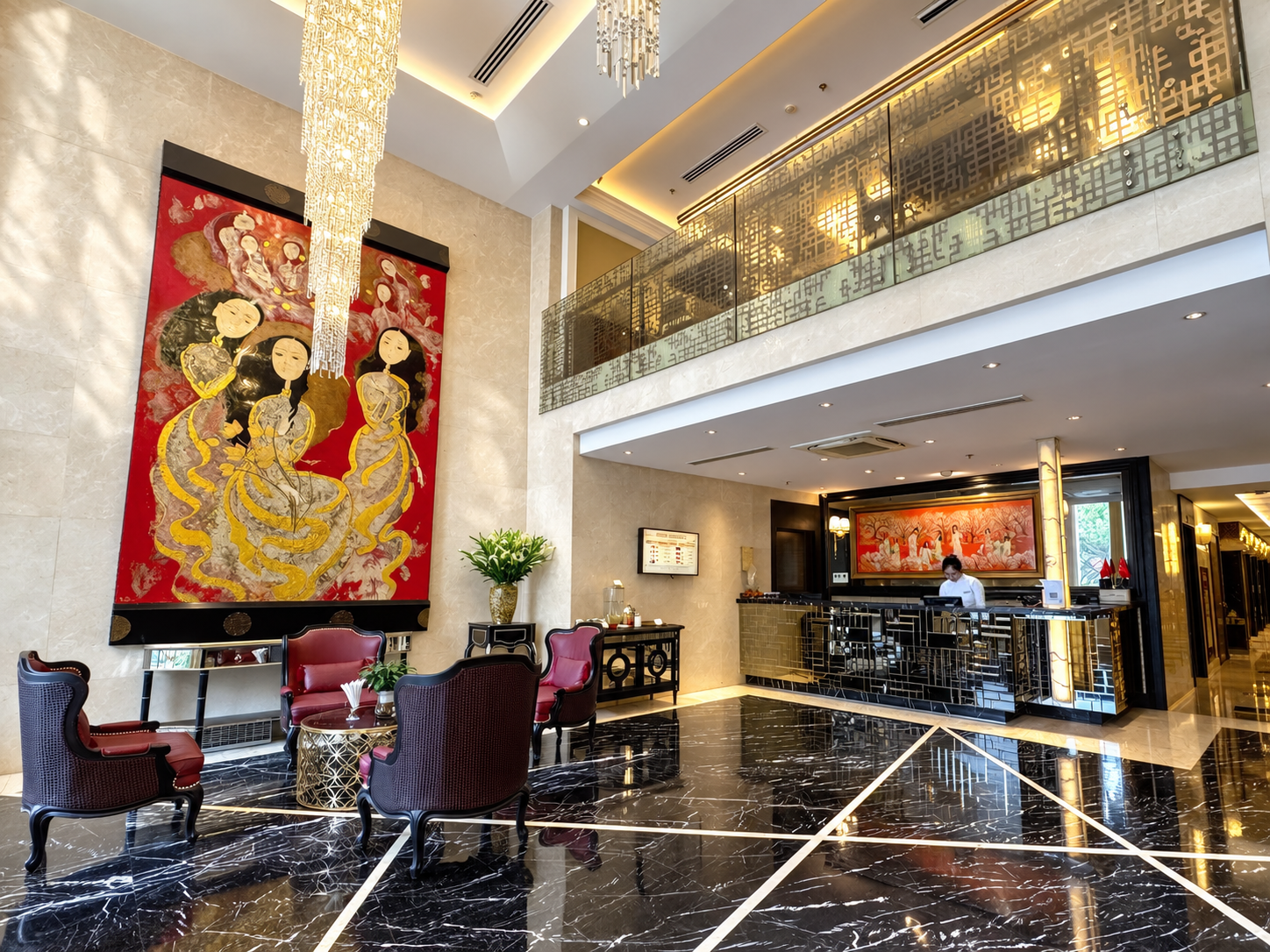
Staying at Silk Path Hotel Hanoi (195-199 Hang Bong, Hoan Kiem) or Silk Path Boutique Hanoi (19-21 Hang Khay, Hoan Kiem) offers more than just a place to rest – it opens the door to Hanoi’s soulful cuisine, right in the city’s historic heart.