


 KR
KR JP
JP VN
VNFrom temples nestled among pine forests and shrines set along mountain slopes to ancient pagodas that have become enduring symbols of Hue, each destination offers a glimpse into the spiritual life and beliefs of the local people. Explore them with Silk Path.

Hue is often remembered for its ancient palaces, royal tombs, and the romantic Perfume River. Yet beyond the relics that bear the imprint of its royal past, the former imperial capital is also home to numerous sacred sites, where architecture, nature, and spiritual traditions come together in serene harmony.
HUYEN KHONG SON THUONG PAGODA
A tranquil retreat among the mountains
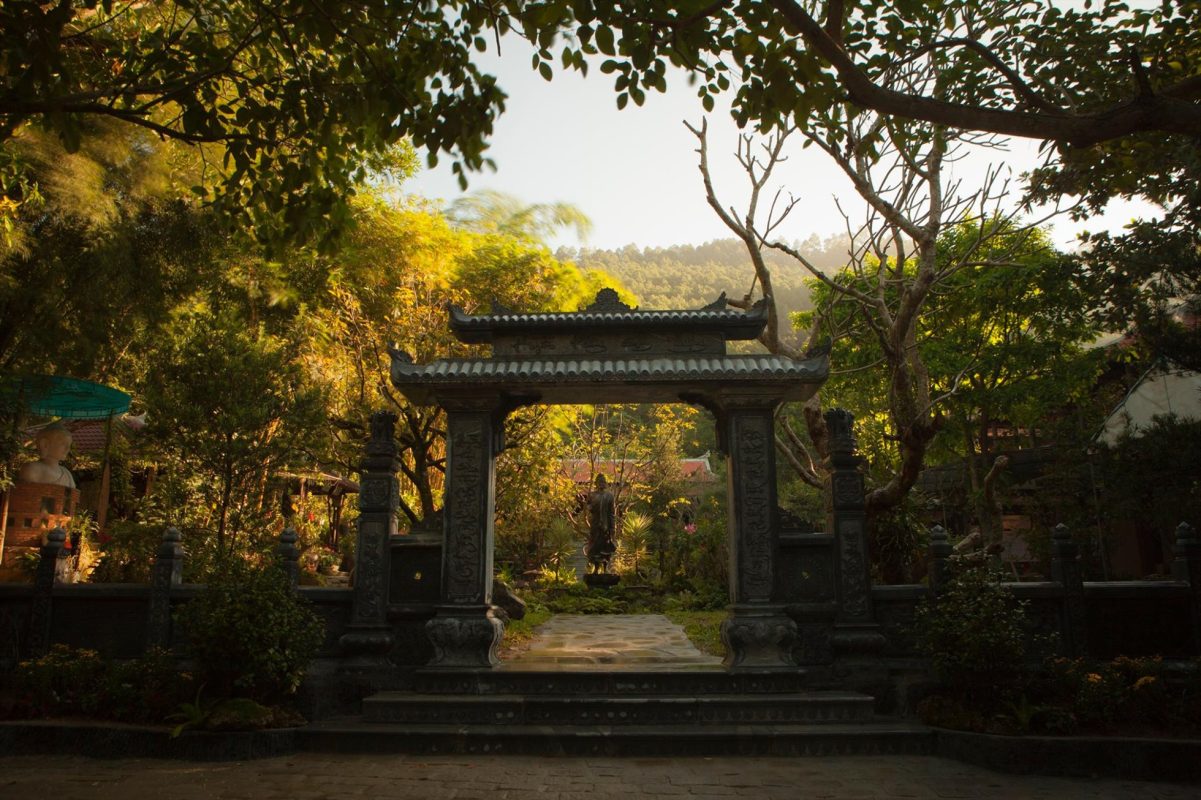
Nestled among the pine forests of Van Tung Son, at an altitude of approximately 300 metres above sea level, Huyen Khong Son Thuong Pagoda offers a peaceful retreat in the heart of the mountains. Belonging to the Southern Buddhist tradition, the temple was built in 1989. Over the decades, the dedication of monks and Buddhists has gradually transformed the hillside into a tranquil spiritual retreat, while preserving its pristine natural surroundings.
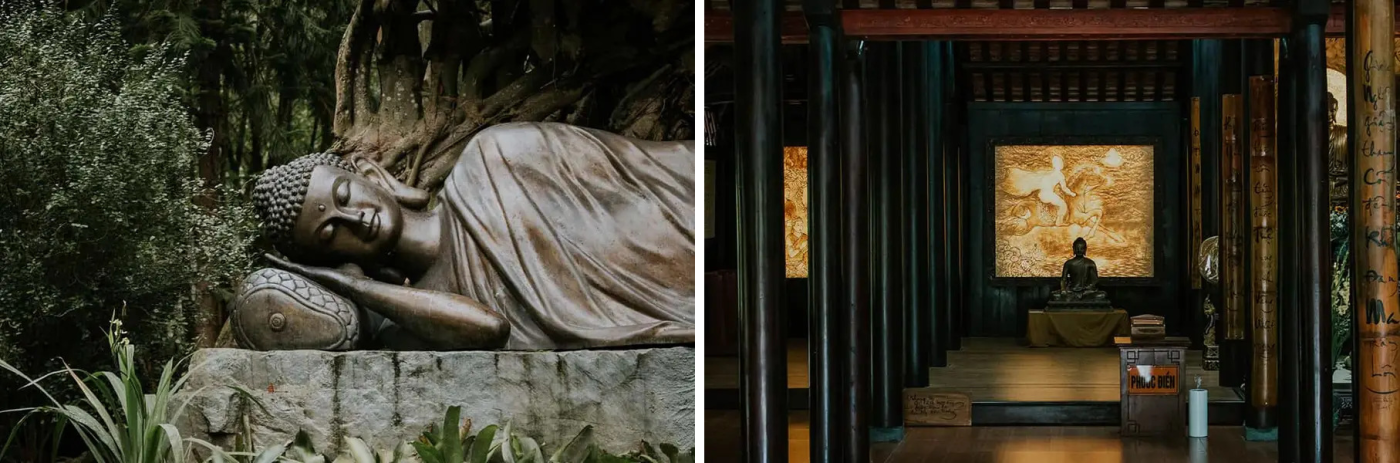
The buildings feature delicate carvings that reflect the hallmarks of traditional Vietnamese temple architecture. Wood is the primary material, complemented by simple forms that blend naturally with the surrounding landscape. Particularly noteworthy is the main hall, built in the traditional style of a Hue house, with a wooden structure and fish-scale tile roof that evokes the rustic charm of local architecture.
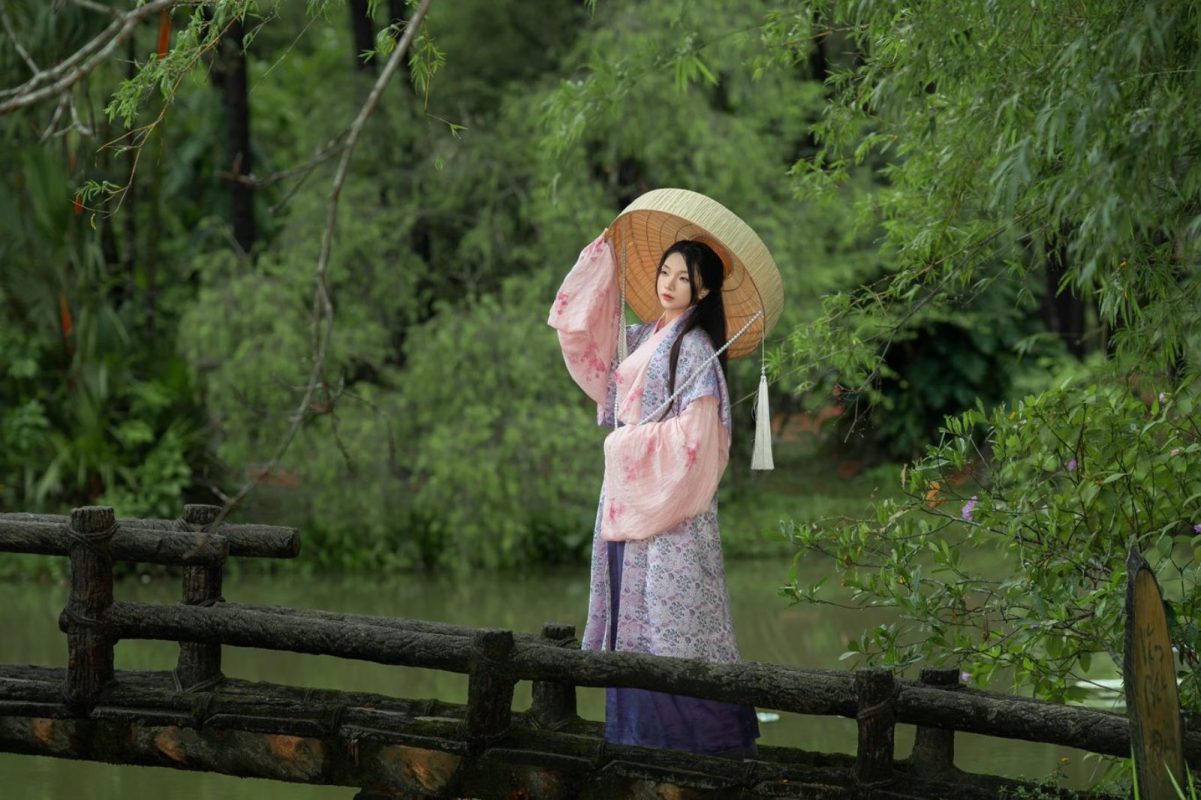
The grounds are surrounded by ancient trees, orchids, frangipani, and pine forests, with tranquil ponds adding to the sense of calm. Simple yet thoughtfully composed, the landscape of Huyen Khong Son Thuong creates a serene setting that preserves the peaceful atmosphere of a Buddhist monastery.
HON CHEN TEMPLE
A meeting of Cham and Vietnamese beliefs
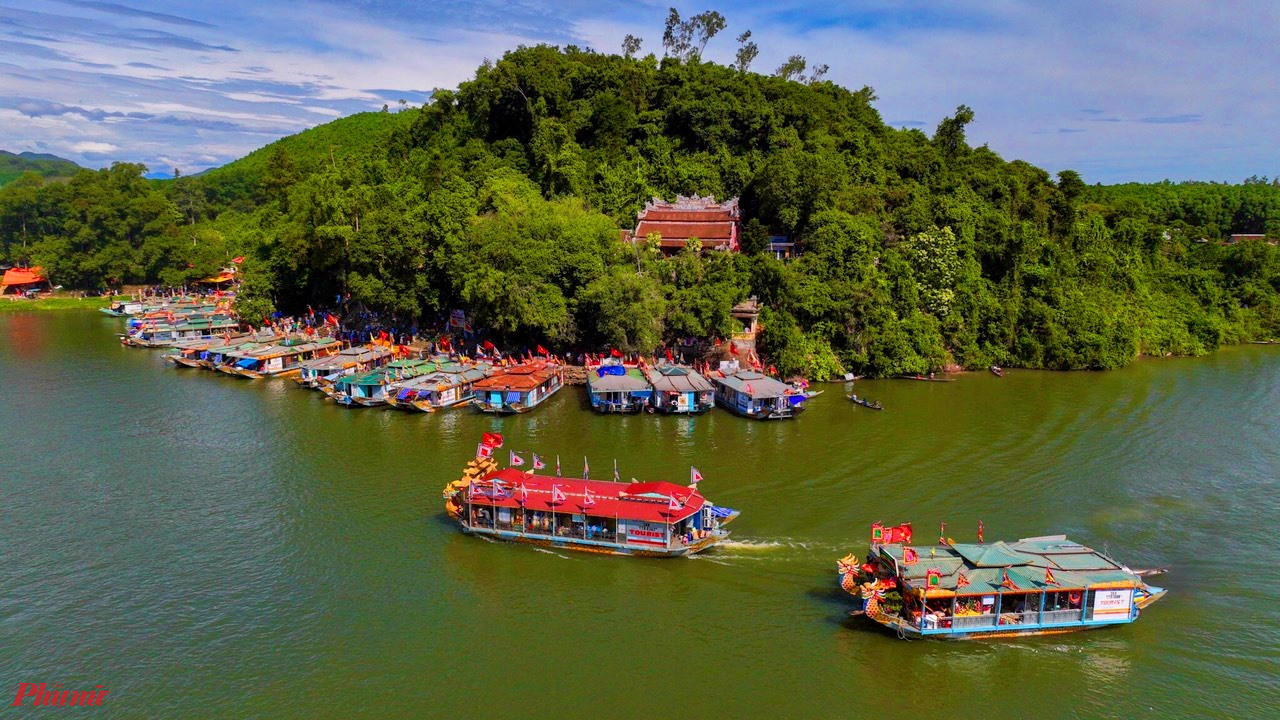
Located on Ngoc Tran Mountain, facing the Perfume River, Hon Chen Temple, or Hue Nam Temple, is a historic complex of buildings set along the mountainside. At its centre stands Minh Kinh Dai, alongside other structures including Quan Cu House, Trinh Cat Vien, the Five Saints, the Altar of Mandarins, Am Thuy Phu,….
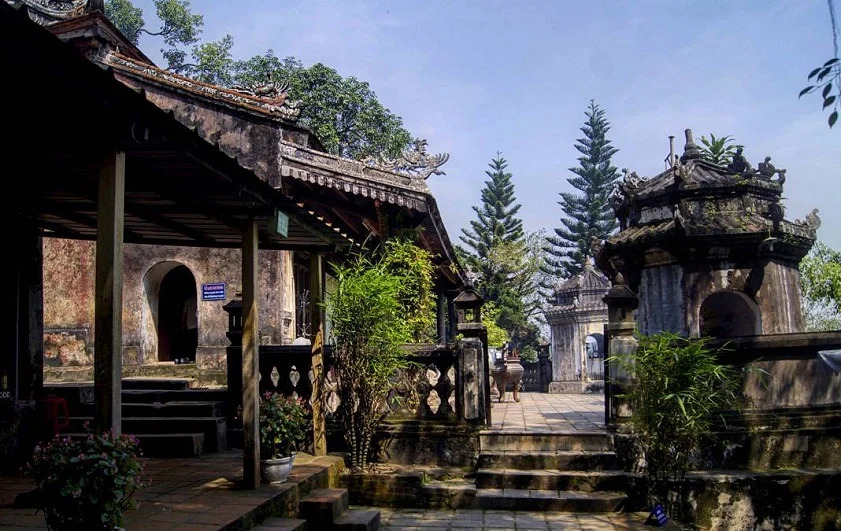
Originally known as “Ngọc Trản Sơn Từ” during the reign of Emperor Gia Long, the temple was renamed “Huệ Nam” during the reign of Emperor Dong Khanh, meaning “bringing blessings to the people of Vietnam”.
Hon Chen Temple was originally a place of worship for the Cham people, who venerated the goddess Po Nagar, regarded as the Mother Goddess of the Earth. The Vietnamese later continued this tradition under the name of Mother Thien Y A Na. The temple reflects a rich blend of religious traditions, with altars dedicated to Princess Lieu Hanh, also known as Van Huong Thanh Mau, as well as Buddha, Saint Quan Cong, and more than 100 other deities associated with these traditions.
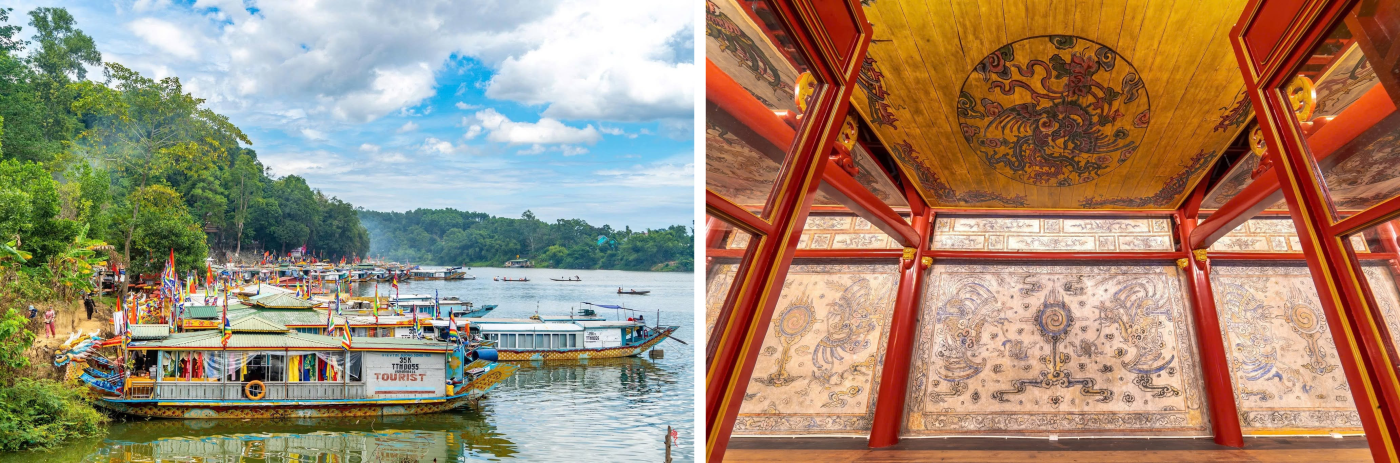
The historical and religious significance of Hon Chen Temple lives on through the annual Hon Chen Temple Festival, also known as the Mother Goddess Worship Festival. Rooted in traditional customs, the festival brings together followers of Thien Tien Thanh Giao and practitioners of Mother Goddess worship, offering a chance to experience a distinctive spiritual and cultural tradition that remains an important part of Hue’s heritage.
On December 10, 2024, the Minister of Ministry of Culture, Sport and Tourism issued Decision No. 3981/QD-BVHTTDL on including Hon Chen Temple festival in the list of national intangible cultural heritages.
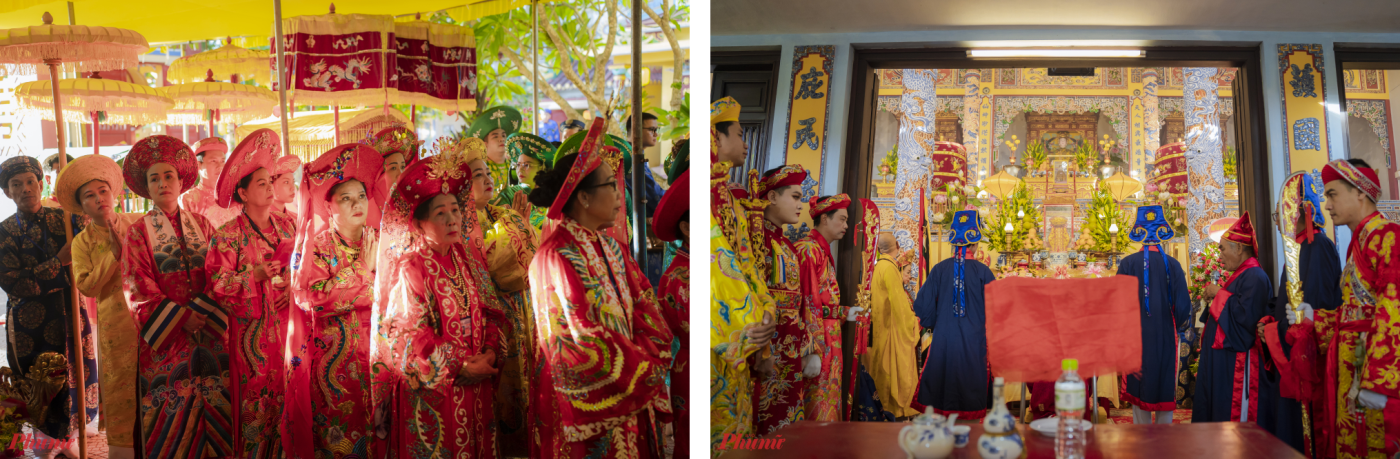
Therefore, a visit to this destination offers more than a glimpse into Hue’s history; it is also an opportunity to experience religious traditions that continue to thrive today.
THIEN MU PAGODA
A timeless icon
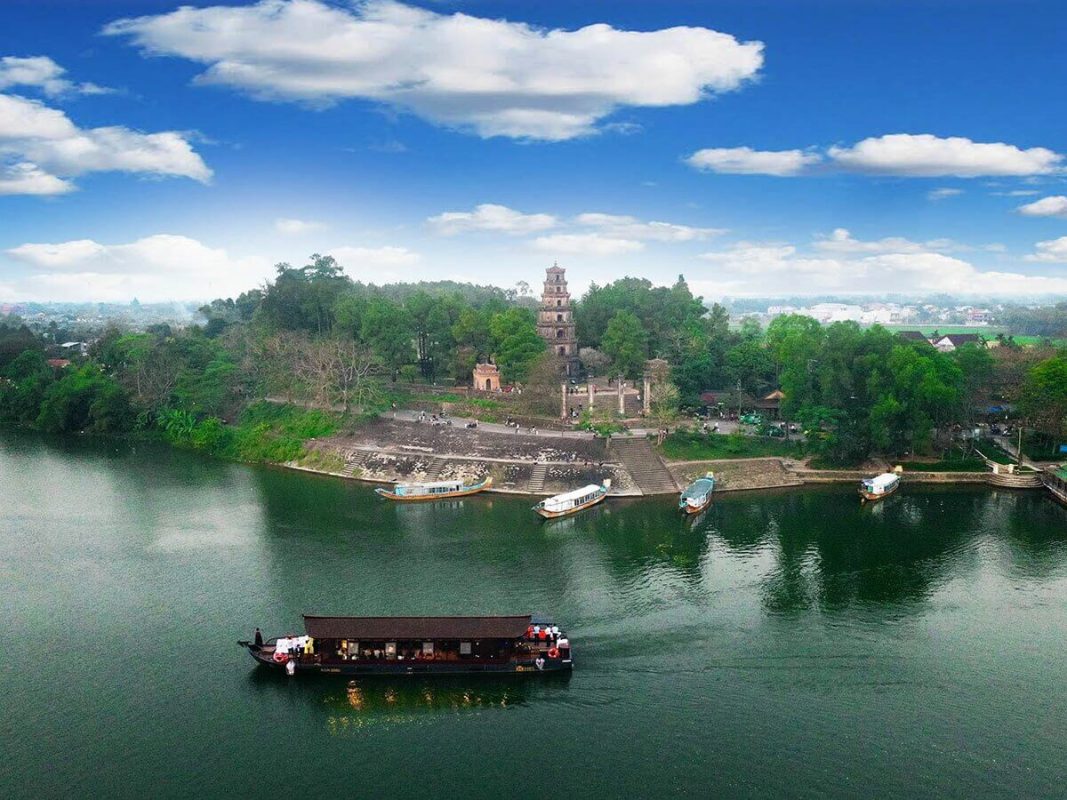
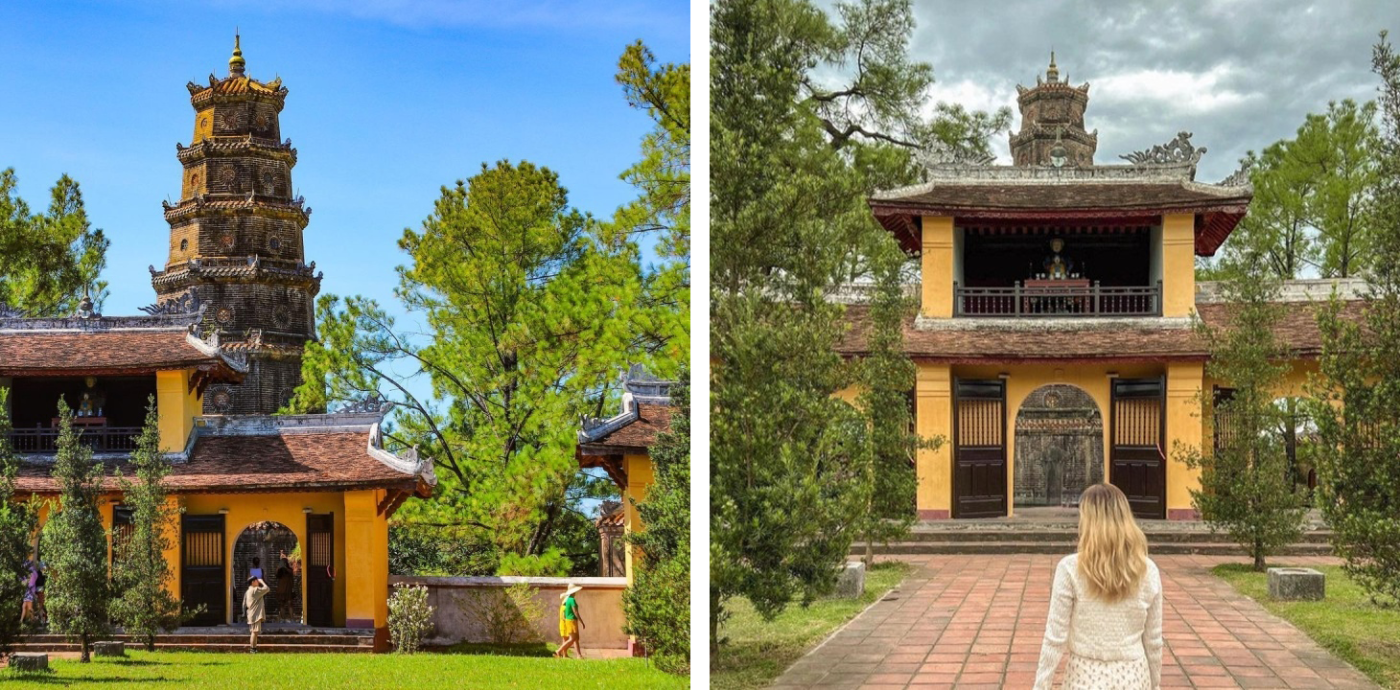
From the tranquil mountains, the journey continues towards the Perfume River and one of Hue’s most enduring symbols – Thien Mu Pagoda. The sound of its bells has long been part of the memory of Hue, echoing along the river.
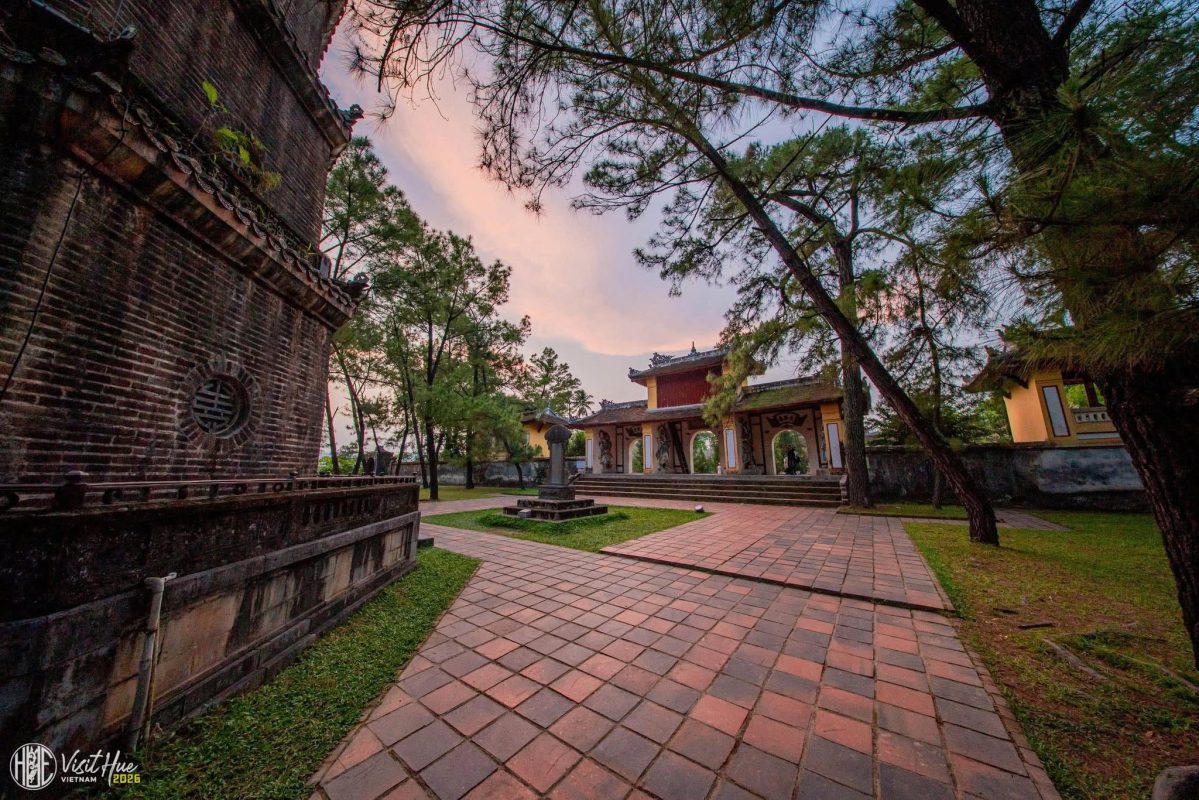
The most striking feature of the pagoda is Phuoc Duyen Tower, originally known as Tu Nhan Tower. Built in 1884 under the reign of Emperor Thieu Tri, the seven-storey octagonal structure has become an enduring symbol of Hue and is widely regarded as the unofficial emblem of the former imperial capital.
To the left of the tower stands a pavilion housing the Dai Hong Chung, a monumental bronze bell cast in 1710 by Lord Nguyen Phuc Chu. Measuring 2.5 metres in height and weighing 3,285 kilograms, the bell is considered an outstanding achievement of 18th-century Vietnamese bronze casting.
As the sun sets, visitors can choose a vantage point overlooking the river and watch the late-afternoon light cast a warm glow across the landscape. It is a quiet moment to pause and take in the changing rhythm of Hue between day and night.
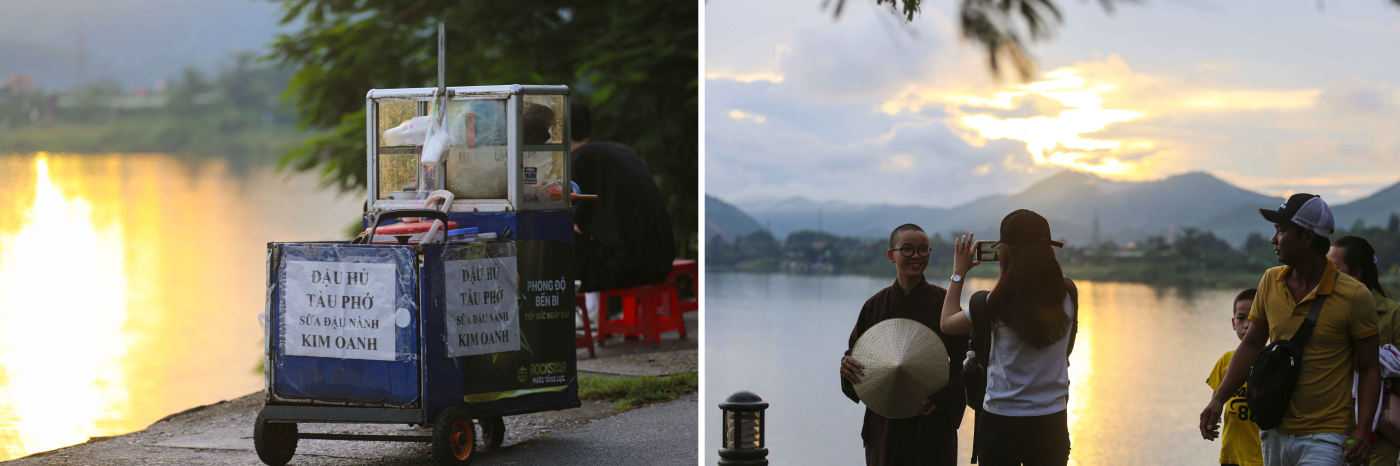
From the mountains and pine forests of Huyen Khong Son Thuong to the slopes of Ngoc Tran Mountain and the banks of the Perfume River beside Thien Mu Pagoda, each stop reveals a different side of the ancient capital – peaceful, spiritual, and rich in stories.
SILK PATH GRAND HUE HOTEL & SPA
A peaceful retreat for exploring the ancient capital
After exploring the sacred sites of Hue, a heritage-inspired stay offers a natural pause in the journey. At Silk Path Grand Hue Hotel & Spa, the spirit of Hue’s royal heritage is reflected in architecture that combines the character of the imperial court with the elegance of Neoclassical design.
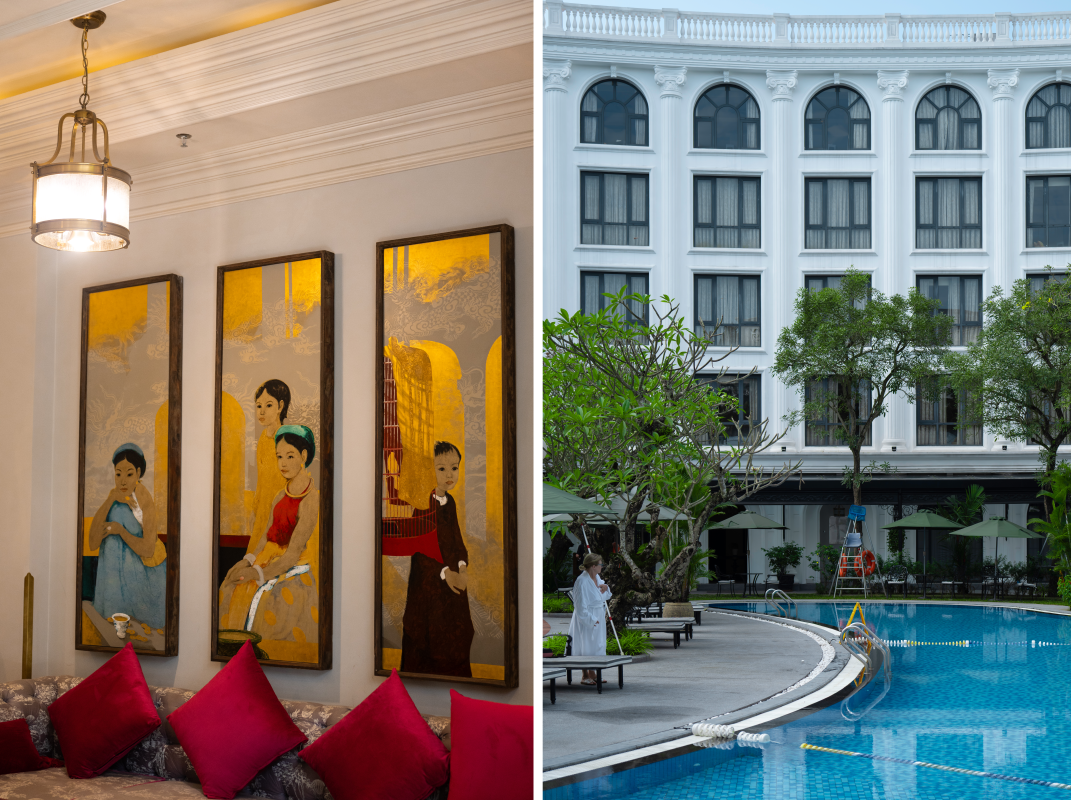
Located in the heart of Hue, beside the An Cuu River, the hotel provides a convenient base for exploring the city’s historic sites and cultural landmarks. From here, guests can easily reach architectural landmarks and distinctive cultural spaces across the ancient capital.
Join Silk Path in discovering the beauty of Vietnam, where every journey becomes a story to remember!